
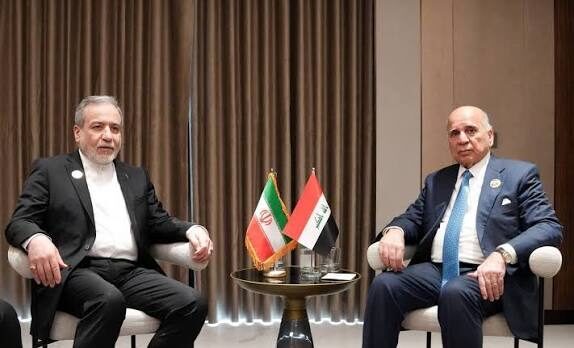
Iran says it is waiting for an official response from the United States to a seven-day diplomatic roadmap that Tehran says could end hostilities, reopen the Strait of Hormuz and restart negotiations over its nuclear programme.
The proposal has emerged during an intense week of diplomacy around the United Nations General Assembly, where mediators have attempted to reopen channels between Washington and Tehran despite months of conflict and sharp public rhetoric.
What Iran is proposing
Iranian Foreign Minister Abbas Araghchi said the seven-day timetable would begin once Washington formally accepted the plan. Tehran says initial steps would take several days, the Strait of Hormuz would reopen on the sixth day and direct negotiations on a final agreement would begin on the seventh.
Iran has linked reopening the waterway to demands that the United States reduce military pressure, lift its blockade of Iranian ports and provide sanctions-related relief. Reports also indicate that Tehran wants frozen assets released and a wider ceasefire covering regional fronts.
Hormuz remains central to global energy security
The Strait of Hormuz is one of the world’s most strategically important shipping routes. A significant share of internationally traded oil and gas normally passes through the narrow waterway, meaning disruption can affect energy prices, shipping insurance and supply chains far beyond the Middle East.
That gives the negotiations economic importance even for countries not directly involved in the conflict. A durable reopening could reduce pressure on energy markets, while renewed military escalation could have the opposite effect.
Mixed signals from Washington
Iran says it has not yet received the formal American response it is seeking. A Wall Street Journal report said President Donald Trump had rejected the proposal, but Tehran indicated it was waiting for an official position rather than relying on media reports.
This distinction matters because indirect negotiations often involve several intermediaries and draft proposals can change before governments publicly commit themselves.
Mediators keep talks alive
Qatar and other regional actors have been involved in transmitting messages, while the UN gathering in New York has provided opportunities for shuttle diplomacy. Reuters reported that US and Iranian officials communicated through mediators during the week.
Previous attempts to create a lasting arrangement have broken down, so any new agreement would need clearer mechanisms for implementation and dispute resolution.
A narrow diplomatic opening
The current proposal does not erase the deep disagreements over Iran’s nuclear programme, sanctions, regional armed groups and US military activity. It does, however, provide a possible sequence for reducing immediate tensions before tackling the hardest political questions.
For now, the next move rests with Washington. The international significance of the response will extend well beyond Iran and the United States because the outcome could shape shipping, oil markets and security across the wider Middle East.

Leave a Reply